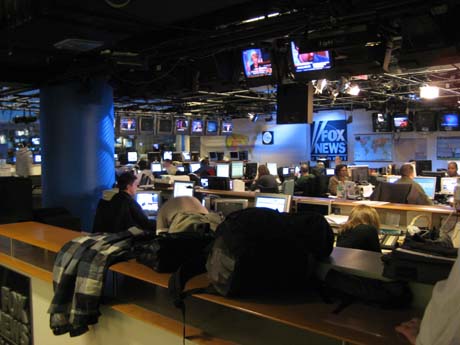
Fox News anchor Bill Hemmer pushed back Friday on an attempt by National Economic Council Director Kevin Hassett to shift blame for rising gas prices, steering the conversation back to the immediate economic strain facing American consumers.
The exchange unfolded on America’s Newsroom as Hemmer questioned Hassett about the sharp increase in fuel costs, with the national average climbing to $4.09 per gallon—nearly a dollar higher than the previous week. The spike comes as the U.S. conflict with Iran continues, putting added pressure on energy markets and household budgets alike.
Hemmer opened by asking a straightforward question: where are prices headed next?
Hassett responded by emphasizing the administration’s efforts to stabilize the situation, pointing to measures such as the second-largest release of the Strategic Petroleum Reserve on record, coordination with foreign governments, and a temporary waiver of the Jones Act to ease domestic fuel transport. He argued that the current surge is temporary and that economic indicators, including recent jobs data, suggest markets do not expect prolonged disruption.
But as Hassett began to pivot toward criticizing Joe Biden over a past release of the strategic reserve, Hemmer cut him off.
“OK, but that was then, and this is now,” Hemmer said, redirecting the focus to current conditions rather than past political grievances.
The anchor then highlighted a key figure underscoring the challenge: the price of West Texas crude oil has surged from $67 per barrel in late February to $111. With the U.S. now a net exporter of oil, Hemmer pressed further, asking how much strain the economy can realistically تحمل and how high prices could go.
Hassett maintained that the U.S. economy remains strong, describing it as “humming along” and fundamentally different from the energy landscape of the 1970s, when domestic production was far more limited. He credited Donald Trump’s “energy dominant strategy” with helping to cushion the blow, while reiterating that the current price surge is short-lived.
Still, even as administration officials express confidence, the reality on the ground tells a more complicated story. Hemmer noted that Americans are already feeling the pinch, particularly as travel picks up and fuel costs become more visible in daily life.
Hassett acknowledged the strain, calling the situation “very disappointing” for consumers, but again stressed that relief is on the horizon. He pointed to futures markets, which he said indicate prices are expected to trend back toward normal levels by the summer and into the fall.
The exchange highlighted a broader tension often seen during periods of economic stress tied to geopolitical conflict. While policymakers focus on long-term stabilization and strategic responses, Americans are left grappling with immediate costs—costs that can rise quickly when instability abroad disrupts energy supply.
And though the administration insists the spike is temporary, the conversation served as a reminder that even limited conflicts can carry tangible economic consequences at home. As gas prices climb and uncertainty lingers, the question is not just how quickly markets will stabilize, but how much strain Americans will be asked to absorb in the meantime.