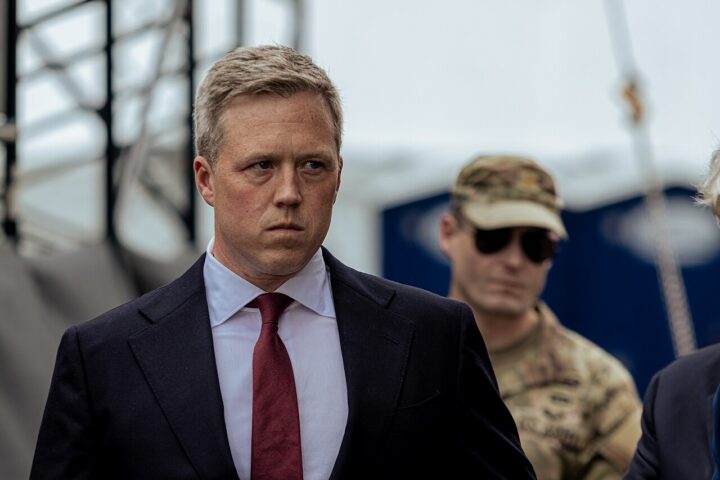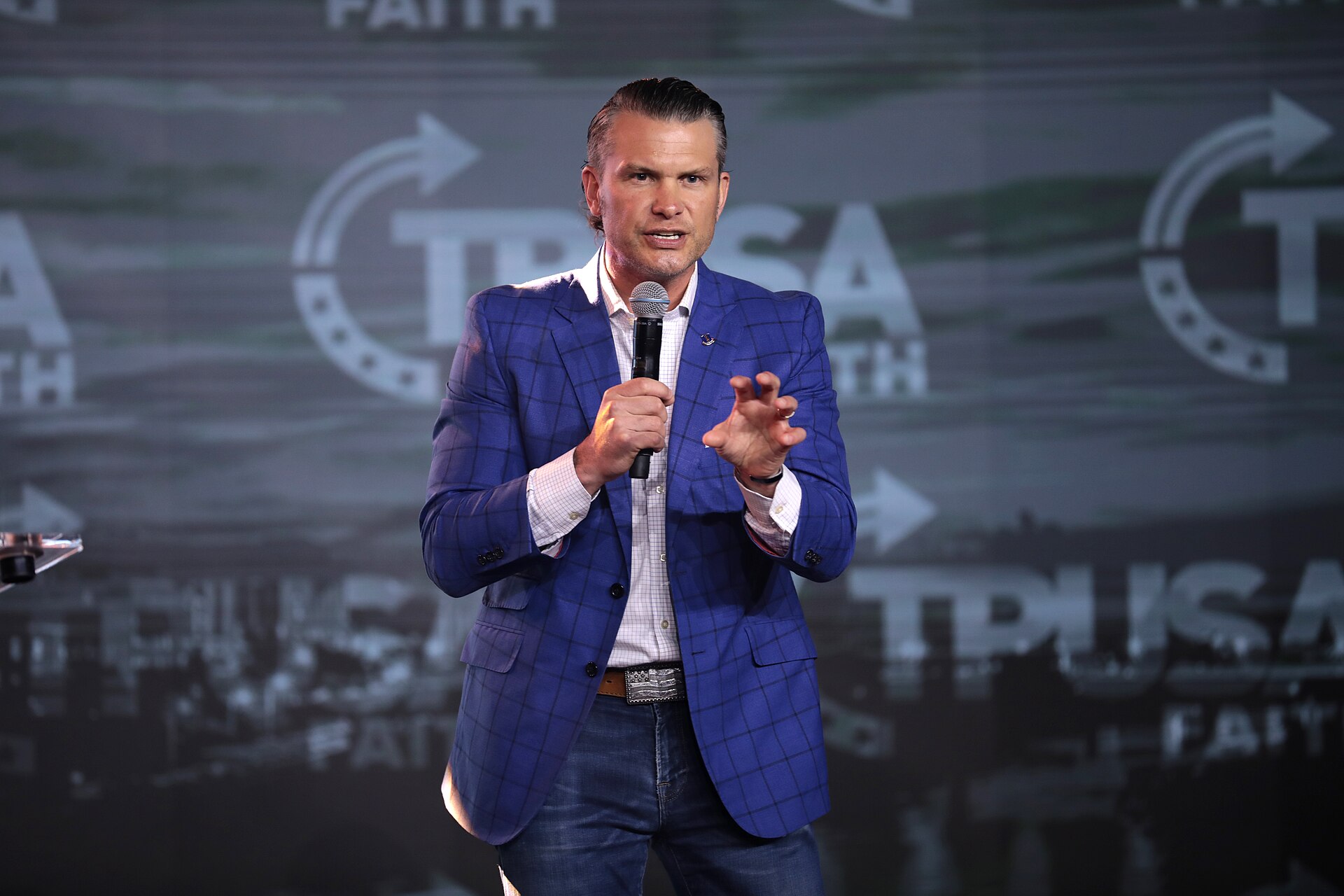
Defense Secretary Pete Hegseth delivered a forceful rebuke of the press on Thursday, accusing many in the media of misrepresenting the U.S.-Israel war with Iran by focusing on losses and setbacks while overlooking what he described as clear progress on the battlefield.
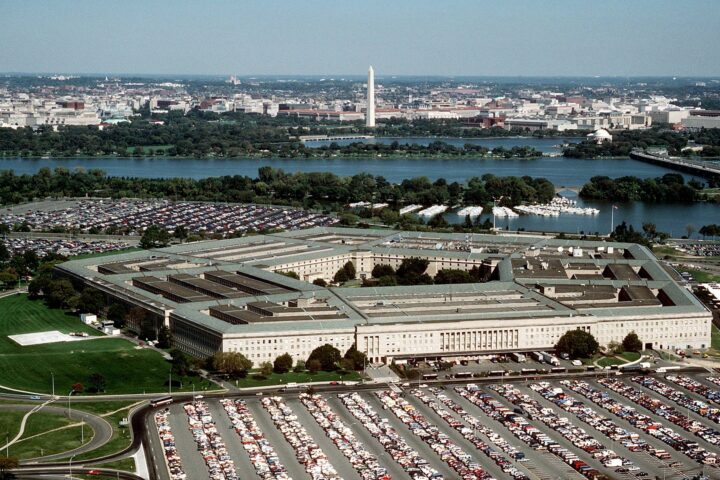
Speaking during a tense Pentagon press conference, Hegseth did not hold back, calling out what he sees as a pattern of coverage that he believes undermines public confidence. Rather than addressing reporters directly, he framed his remarks as a message to Americans watching at home.
“Yes, there are reporters in front of me, but they are not my audience today,” Hegseth said. “I stand here today speaking to you, the American people, not through filters, not through reporters, not through cable news spin.”
The defense secretary has increasingly criticized media outlets for highlighting the human cost of the conflict, including the deaths of more than a dozen U.S. service members, while giving less attention to military gains. He argued that such coverage creates a one-sided narrative that fails to reflect what the administration sees as meaningful success.
“A dishonest and anti-Trump press will stop at nothing… to downplay progress, amplify every cost, and call into question every step,” Hegseth said, adding that what he referred to as “Trump Derangement Syndrome” continues to influence reporting.
At the center of his remarks was a rejection of growing concerns that the conflict could stretch into a prolonged engagement. Critics have raised the possibility of a “forever war,” a phrase that carries weight given past U.S. military experiences. Hegseth dismissed that characterization outright.
“The media… want you to think just 19 days into this conflict that we’re somehow spinning toward endless abyss or a forever war or a quagmire,” he said. “Nothing could be further from the truth.”
Drawing on his own background, Hegseth pointed to his experience alongside those who served in Iraq and Afghanistan, conflicts he suggested were mishandled by previous administrations. He argued that the current approach is different, presenting it as more focused and effective, even as operations continue to intensify.
Still, the exchange highlights a deeper tension that often emerges during wartime. While officials emphasize progress and strategy, the realities of conflict—including casualties and uncertainty—remain difficult to separate from the broader narrative. Even supporters of a strong military response may find themselves weighing those competing realities as the war unfolds.
Hegseth also addressed what he called “patriotic” members of the press, urging them to present what he views as a more accurate picture of the situation.
“To the patriotic members of the press, nobody can deliver perfection in wartime,” he said. “But report the reality. We’re winning decisively and on our terms.”
The remarks reflect an ongoing clash between the administration and the media over how the war is being portrayed. For the administration, projecting confidence and control is central to maintaining public support. For journalists, continued scrutiny—particularly of costs and consequences—is a core part of their role.
As the conflict approaches its third week, that divide appears unlikely to close anytime soon. Hegseth’s message was clear: the administration believes it is achieving its objectives. But as history has shown, even wars that begin with confidence can carry complexities that only become clearer over time.
In the meantime, Americans are left to sort through competing narratives, weighing claims of progress against the undeniable costs that accompany any military campaign.
[READ MORE: King Charles Visit May Be On Hold]