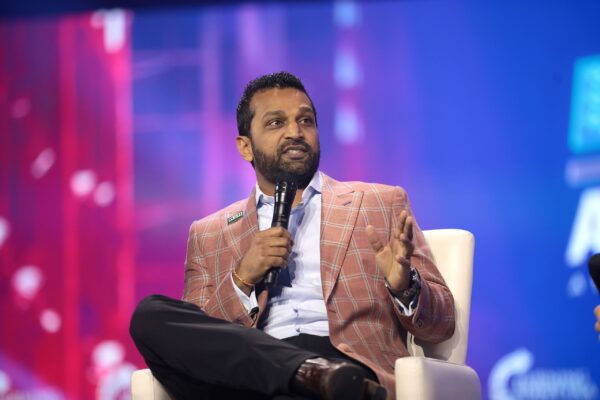
Rep. Steve Cohen pressed FBI Director Kash Patel during a tense Intelligence Committee hearing Thursday, raising sharp concerns about the timing of personnel decisions as the United States finds itself entangled in a widening conflict with Iran.
Cohen zeroed in on reports that Patel dismissed roughly a dozen agents from a counterintelligence unit focused on Iran-related threats. The Tennessee Democrat framed the issue in stark terms, suggesting that such moves could leave the country exposed at a moment when vigilance should be at its peak.
“How many days before we invaded Iran did you know we would launch an invasion?” Cohen asked, seeking to establish whether federal agencies had advance notice of military action.
Patel declined to provide specifics in an open setting, saying such details would be more appropriate for a classified discussion. He indicated that he works with colleagues across agencies to ensure the FBI is prepared for emerging threats, but stopped short of offering a clear timeline. Pressed further, he acknowledged only that he had some level of advance awareness.
Cohen quickly pivoted, arguing that the firings were difficult to square with that knowledge. He questioned why agents assigned to a unit specializing in Iran counterintelligence would be removed at a time when threats tied to the conflict could be escalating.
Patel defended the decision, emphasizing that personnel actions were not dictated by geopolitical timelines but by internal standards. He pointed to ongoing internal investigations conducted by career staff, saying terminations stem from findings of unethical or inappropriate conduct. At the same time, Patel sought to reassure lawmakers that the FBI’s broader posture toward Iran remains robust, citing increased counterespionage arrests and hundreds of active terrorism investigations tied to Iran-affiliated entities.
Cohen remained unconvinced, repeatedly pressing Patel on whether those dismissed were, in fact, experts in Iran-related intelligence. Patel said he did not believe so and noted he was not familiar with every individual case. That response drew visible frustration from Cohen, who argued that as director, Patel should be able to account for decisions affecting national security personnel.
The exchange grew more heated as Cohen demanded clarity on where the fired agents worked and what exactly led to their removal. Patel held firm, reiterating that the dismissals were tied to violations of ethical obligations and the bureau’s standards.
Cohen then raised the possibility that the firings were connected to the investigation into President Donald Trump over classified documents found at Mar-a-Lago, asking whether that issue played a role. Patel declined to engage, noting that such matters remain under litigation and are not appropriate for public comment.
According to a report from CNN earlier this month, the agents in question were removed in part because they had been involved in that investigation. The report, citing sources familiar with the matter, has added another layer of controversy to an already fraught situation.
The clash underscores a broader tension in Washington: balancing internal accountability within federal agencies while confronting serious foreign threats. At a time when the nation is navigating a dangerous overseas conflict, questions about preparedness, leadership, and priorities are taking on added urgency—along with a reminder that decisions made far from the battlefield can still carry significant consequences at home.
[READ MORE: Hegseth Takes Aim at Media Coverage of Iran Conflict, Rejects “Forever War” Claims]