Drivers are finally getting some relief at the pump.
The national average price for a gallon of regular gasoline fell to $3.97 on Tuesday, dropping below $4 for the first time since July, according to AAA. The average stood at roughly $4.14 on Election Day.
The decline follows a sharp slide in oil prices. Brent crude, the international benchmark, fell to about $89 a barrel, continuing a drop that began in late October amid growing expectations that the Iran war could be winding down. Brent had traded as high as $118 per barrel just before the election.
Markets moved after President Trump said last week that he had no plans to attack Iran, and the slide picked up steam after Democrats won control of both chambers of Congress. Traders bet that a Democratic Congress would put pressure on the administration to end the conflict.
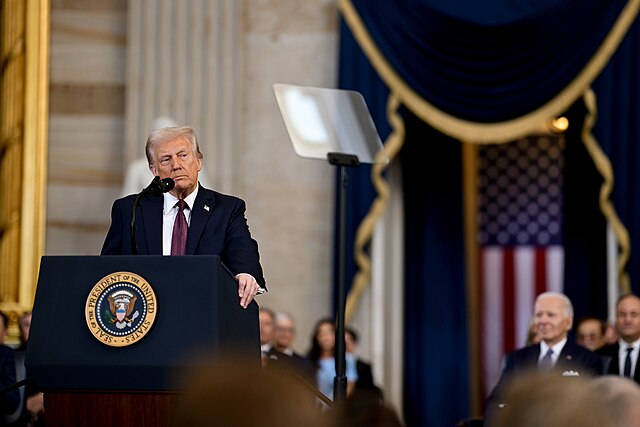
On Monday, Trump signaled he was unlikely to restart major military operations, saying the U.S. would maintain “the status quo” but remain “locked and loaded” if anything changes.
GasBuddy analyst Patrick De Haan said oil prices had been falling in the run-up to the election on optimism that the war’s economic problems would be addressed afterward. He also pointed to increased tanker traffic through the Strait of Hormuz, which has eased constraints on global supply.
Seasonal factors are helping as well. Demand typically falls in the autumn as Americans cut back on travel, and stations have switched to cheaper winter-blend fuel. Tom Kloza, chief energy adviser for Gulf Oil, said the coming six weeks are usually tough for higher fuel prices and predicted considerably lower prices by the second half of December if neither the U.S. nor Iran escalates in the Persian Gulf.
Still, prices remain well above where they were before the war. The U.S. and Israel launched strikes on Iran on Feb. 28, and gas remains more than 30% higher than before the conflict began. A year ago, the national average was $3.07.
Diesel is an even bigger concern. The commercial fuel averages $6.16 nationwide, compared with $3.74 a year ago, pushed higher by both the Iran war and continued attacks on energy infrastructure in the Russia-Ukraine war. Higher diesel costs ripple through the economy, raising prices for farmers, truckers and businesses.
The war-driven spike in fuel prices made already stubborn inflation worse and weighed heavily on Republicans at the ballot box. Vice President JD Vance has said the war was the reason the party suffered such steep midterm losses.
Prices vary widely by state. North Carolina has the lowest average at roughly $3.27 a gallon, followed by Georgia and Texas. California, Hawaii, Nevada and Washington have been paying $5 or more.
A Brown University analysis estimates that higher gas prices since the war began have cost Americans more than $80 billion.
[READ MORE: Trump Says He’ll Stand by Hegseth After Massie Files Impeachment Articles]