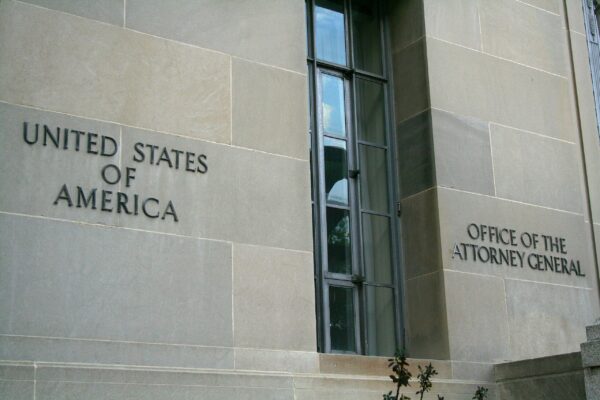
Newly published emails released by the Justice Department are renewing scrutiny of Prince Andrew’s relationship with Jeffrey Epstein, appearing to show the British royal forwarding sensitive U.K. trade visit reports to the disgraced financier years after Epstein’s sex offense conviction and while Andrew held a senior, government-linked role.
According to the documents, Andrew Mountbatten-Windsor received an email on November 30, 2010, from his special assistant, Amit Patel, with the subject line “South East Asia Visit Reports.” The message, addressed to “The Duke,” stated that Patel had attached reports from Vietnam, Singapore, Hong Kong, and Shenzhen related to Andrew’s recent official visit to Southeast Asia.
Just five minutes after receiving the email, Andrew forwarded it, without adding any comment, to an email address known to have been used by Epstein. The rapid forwarding has raised fresh questions about Andrew’s judgment and his continued contact with Epstein long after the financier’s criminal conviction in the United States.
At the time the email was sent, Andrew was serving as the United Kingdom’s special representative for trade and investment, a post he held from 2001 until July 2011. In that role, he was tasked with promoting British commercial interests abroad, meeting with foreign officials and business leaders, and acting as a roving ambassador for U.K. trade. The position placed him at the intersection of diplomacy, commerce, and government-linked activity.
It remains unclear what level of detail the attached visit reports contained or whether they included commercially sensitive or diplomatically significant information. The documents themselves do not spell out the contents of the attachments. However, the timing of the exchange is notable, as the emails were sent two years after Epstein pleaded guilty in the United States to soliciting prostitution and soliciting prostitution from someone under the age of 18, crimes for which he served time in jail.
Andrew has repeatedly and vigorously denied any allegations against him related to Epstein. There is no suggestion of illegality contained in the email exchange itself, and officials have emphasized that being mentioned in or appearing within the Epstein files does not, on its own, imply wrongdoing. Still, the disclosure adds to a growing body of material that has fueled criticism of Andrew’s continued association with Epstein after his conviction.
The revelation comes at a particularly difficult moment for the Duke of York. It follows just a week after Andrew was quietly evicted from his longtime Windsor residence amid renewed political and public pressure generated by the latest release of Epstein-related files. It also comes months after his brother, King Charles, formally stripped him of his remaining royal titles in November, citing what the palace described as “serious lapses in judgment” tied to Andrew’s relationship with Epstein.
While the newly released emails do not allege criminal conduct, they underscore why Andrew’s ties to Epstein have continued to haunt him and the monarchy. The documents highlight decisions that critics say reflect poor judgment at best, especially given Andrew’s official responsibilities at the time and Epstein’s already well-known criminal history. As more files are made public, the episode is likely to intensify debate over accountability, transparency, and the consequences of elite figures maintaining close ties with disgraced individuals.