Cuban President Miguel Díaz-Canel publicly confirmed Friday that his government has been engaged in discussions with the United States, marking the first time Havana has officially acknowledged such contacts as the island grapples with a worsening fuel and economic crisis.
Speaking during a televised address, Díaz-Canel said the talks are aimed at addressing longstanding disputes between the two countries. “These conversations are focused on finding solutions to bilateral differences we have between the two nations through dialogue.”
He added that “international factors” had helped make the exchanges possible and described the discussions as an effort to identify the most pressing problems between the two governments and then address them in order of severity. Díaz-Canel also stressed Cuba’s willingness to engage with Washington, saying the island was prepared for dialogue “on the basis of equality and respect for both countries’ political systems, sovereignty and self-determination of our governments.”
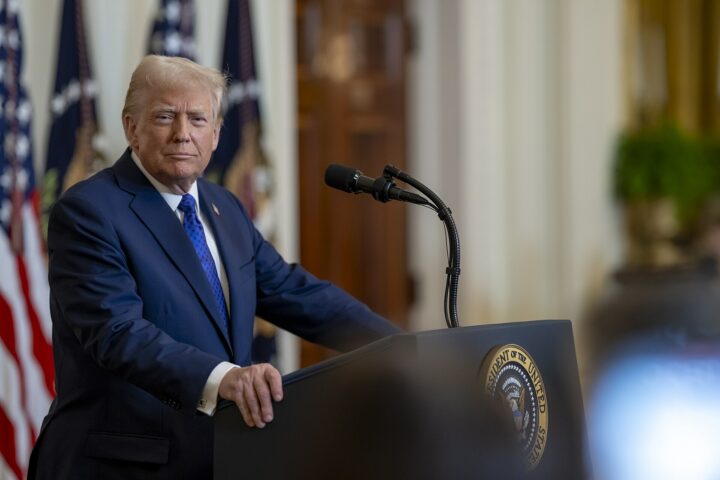
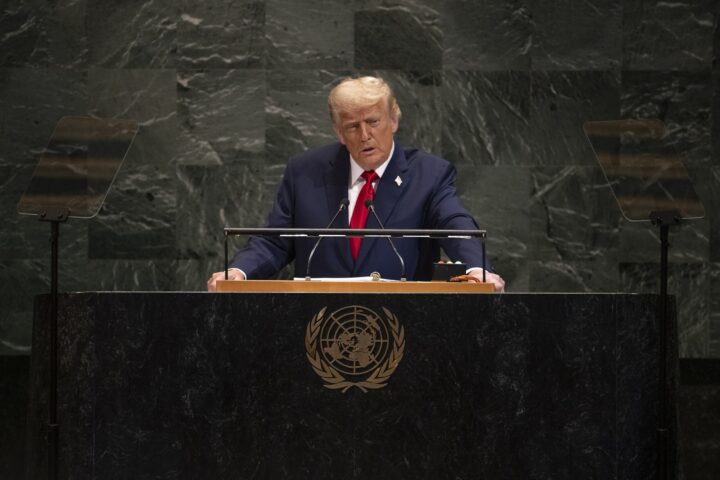
The remarks follow repeated comments in recent weeks from President Donald Trump and senior administration officials indicating that high-level contacts with Cuban representatives were underway. Trump has also predicted that Cuba’s communist government could collapse under the weight of the island’s growing economic crisis, wrote NBC News.
Those talks are unfolding as Cuba faces a severe energy shortage that has crippled daily life across the country. Díaz-Canel noted that no fuel shipments have reached the island in three months, with the last delivery arriving in December. The disruption intensified after a U.S. military operation earlier this year resulted in the capture of Venezuelan President Nicolás Maduro, cutting off a key source of subsidized oil that had long flowed from Venezuela to Cuba.
The United States has since moved to block such shipments, further tightening the squeeze on the island’s fragile energy system.
The result has been widespread blackouts that in some areas have lasted more than 30 hours at a time. The outages have disrupted water systems, shuttered businesses, and forced hospitals and clinics to delay medical care. Díaz-Canel said tens of thousands of Cubans—including children—have had surgeries and other procedures postponed because of the lack of reliable electricity.
The fuel shortage has deepened an economic crisis that has been building for years, as Cuba struggles with declining production, shortages of basic goods, and a deteriorating electrical grid.
In a related development, Cuba’s Foreign Ministry announced Thursday that 51 prisoners will be released in the coming days. Officials described the move as a goodwill gesture linked to the country’s longstanding relationship with the Vatican, which has often served as a mediator in sensitive diplomatic matters between Havana and Washington.
The government said the prisoners had served significant portions of their sentences and demonstrated good conduct, though their identities were not publicly disclosed. Cuban Foreign Minister Bruno Rodríguez recently met with Pope Leo XIV at the Vatican.
Taken together, the prisoner release and Díaz-Canel’s acknowledgment of talks with Washington suggest a potential opening in a tense relationship that has been defined for decades by sanctions, ideological rivalry, and periodic diplomatic freezes.