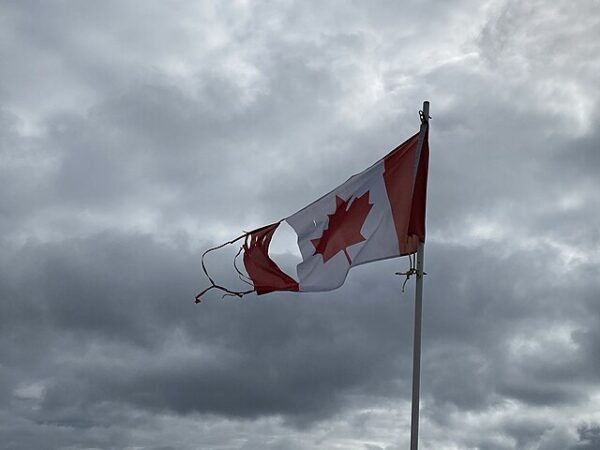
Canada will begin collecting retaliatory tariffs Monday on C$27.6 billion in American goods, matching the value of the latest U.S. duties as a trade dispute between the neighboring countries continues to escalate.
The Canadian countermeasures will impose tariffs of 15%, 25% and 50% on products including steel, dairy goods, appliances, agricultural equipment, furniture, electronics, and pulp and paper. Ottawa said the rates will correspond to American tariffs on similar Canadian products and described the action as a dollar-for-dollar response. The tariffs take effect at 12:01 a.m. September 8.
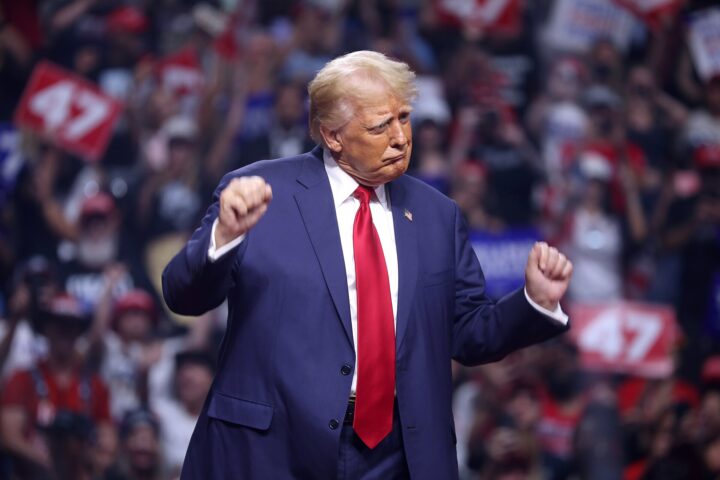
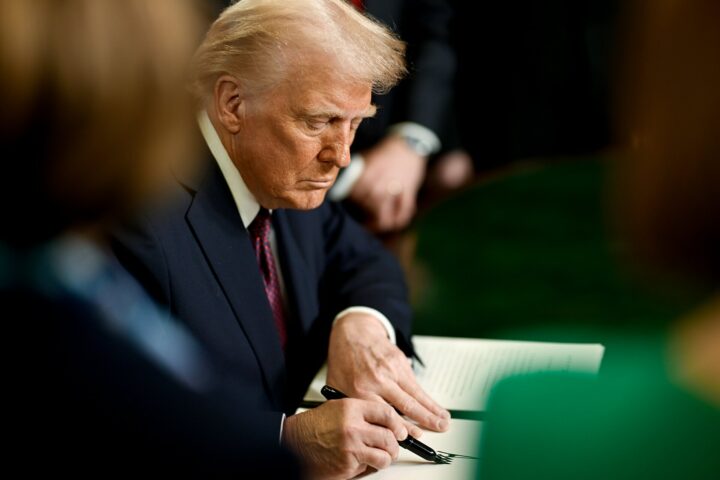
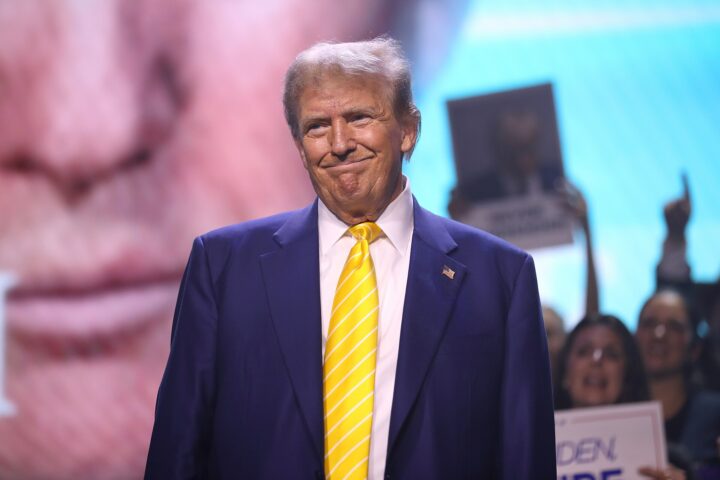
President Donald Trump imposed 50% tariffs August 22 on Canadian exports ranging from wine and cement to hockey sticks, writes CNBC. The duties, covering C$27.6 billion in goods, were issued under Section 338 of the Tariff Act of 1930, a rarely used law allowing the president to respond to foreign policies deemed discriminatory toward American commerce.
The Trump administration accused Canada of unfairly restricting American automobiles, dairy products and alcoholic beverages. Canadian officials rejected that characterization, arguing that Ottawa had merely responded to earlier American tariffs and that the new duties violated the existing North American trade framework.
The latest round of tariffs followed the collapse of negotiations that both governments said had come close to producing an agreement. U.S. Commerce Secretary Howard Lutnick told CNBC’s “Squawk Box” that the Canadians “blew up” the nearly completed deal “for political reasons only.”
Prime Minister Mark Carney offered a sharply different account. He recalled Canadian negotiators to Ottawa in late August, saying Washington had introduced unacceptable last-minute demands that threatened Canadian industries, cultural protections and national sovereignty. Carney said Canada would resume negotiations “when the Americans are ready.”
Lutnick and other administration officials said Canadian negotiators were responsible for the breakdown, contending that Ottawa added new demands shortly before the planned signing and withdrew because of domestic political considerations, including upcoming votes in Quebec and Alberta. The proposed agreement reportedly would have reduced some American tariffs on Canadian automobiles, steel, aluminum and lumber.
Both governments have left the door open to renewed negotiations. Carney has said any agreement must protect Canadian workers and preserve the country’s cultural and French-language rules, while Trump administration officials maintain that Ottawa walked away from favorable terms and can return to the table after its elections.
The dispute compounds an already extensive tariff fight involving American national-security duties on Canadian steel, aluminum, automobiles and lumber. Energy, potash, certain fish and critical minerals were excluded from the newest U.S. tariffs, but consumers and manufacturers on both sides of the border could face higher costs for products ranging from wine and appliances to construction materials and sporting equipment.
[READ MORE: Erika Kirk Says Usha Vance’s Words Have Stuck With Her]