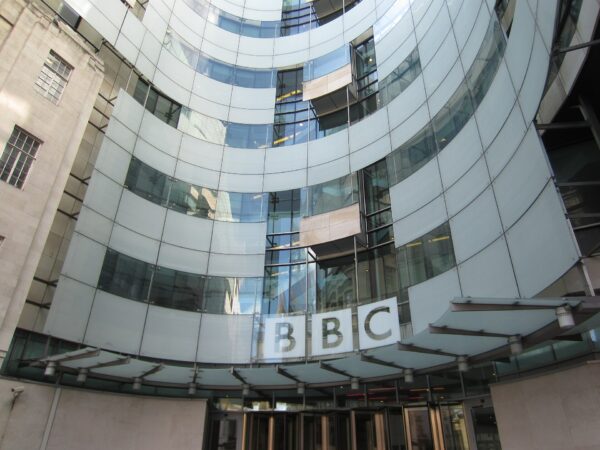
The British Broadcasting Corporation is facing fierce backlash after publishing a headline that many critics say showed bias in its coverage of a deadly attack in France.
On Tuesday, the BBC ran a headline that read, “Nine arrested in France over death of far-right student,” referring to the killing of 23-year-old Quentin Deranque in Lyon. Authorities have charged nine far-left militants in connection with Deranque’s fatal beating during a protest. The headline immediately drew outrage from conservatives, who accused the taxpayer-funded broadcaster of unfairly labeling the victim while downplaying the ideology of the suspects.
According to the BBC’s report, Deranque was attacked at a protest held by what were described as “far-right feminists” at the Institute of Political Studies in Lyon. The nine individuals detained in connection with the killing are reportedly linked to a far-left militant group known as La Jeune Garde, or Young Guard. Among those arrested was a parliamentary assistant affiliated with the far-left France Unbowed (LFI) party.
Despite those details, critics argued that the headline’s focus on the victim’s alleged political alignment amounted to narrative framing rather than straightforward reporting.
Journalist Tommy Robinson was among those who blasted the network’s wording. “FAR LEFT murder a young man! Fixed it for you,” he wrote, calling for the BBC to be defunded.
Rebel News correspondent Avi Yemini echoed the criticism, accusing the outlet of refusing to accurately characterize the suspects while simultaneously casting the victim in a negative light. “The far left kill a student and you still 1. Refuse to call them what they are, and 2. Take one last swipe at their dead victim. This isn’t reporting. It’s narrative management. Defund the BBC,” Yemini wrote.
The controversy has reignited long-standing concerns among conservatives about what they view as ideological bias at the BBC. For many, the headline was not an isolated incident but part of a broader pattern of coverage they believe tilts against conservative figures and causes.
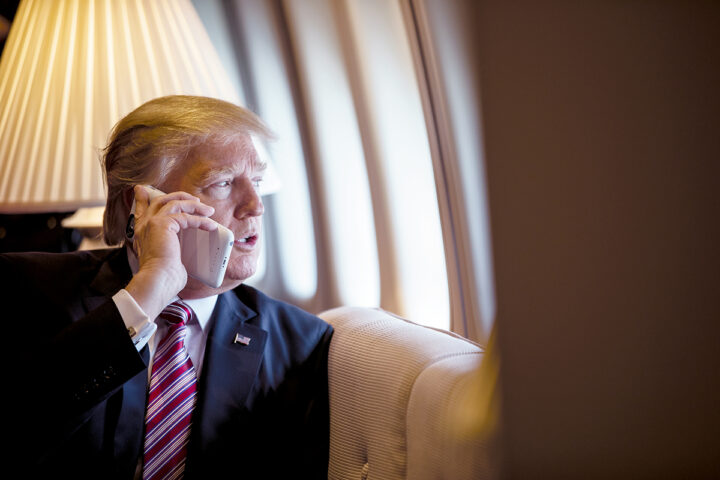
The network has previously faced scrutiny over its editorial decisions involving U.S. politics. In 2024, the BBC aired an edited version of President Donald Trump’s speech from the Jan. 6, 2021 “Stop the Steal” rally. The broadcast spliced together two separate portions of Trump’s remarks in a way that made it appear he directly called on protesters to march to the U.S. Capitol.
The BBC later apologized to Trump in November and confirmed that the documentary containing the edited speech would not be aired again on any of its platforms.
In December, Trump filed a lawsuit against the network, accusing it of attempting to interfere in the 2024 election by portraying him as having incited the Capitol riot. He had previously warned the BBC that he would pursue legal action unless it retracted the segment, issued an apology, and offered compensation.
Now, with fresh controversy surrounding its coverage of a deadly political attack in France, the BBC once again finds itself at the center of a firestorm — and facing renewed calls from critics who say the public broadcaster must be held accountable for how it frames politically charged events.
[READ MORE: O’Reilly Encourages Stephen A. Smith to Launch 2028 White House Bid]