The man accused of fatally shooting conservative activist Charlie Kirk is now attempting to sideline the attorneys prosecuting him, arguing that personal connections inside the Utah County Attorney’s Office could compromise the case.
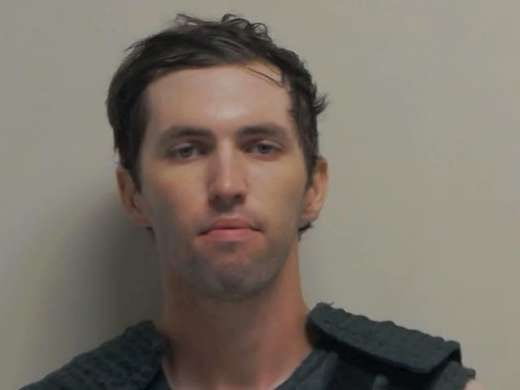
Tyler Robinson, the alleged gunman charged in the killing of Charlie Kirk, has asked a judge to disqualify the prosecutors handling his case. Robinson’s defense team raised concerns after learning that the child of one deputy county attorney attended the campus event at Utah Valley University where Kirk was shot, according to reporting by Associated Press.
Court documents reviewed by the AP show that the 18-year-old attendee sent a series of real-time messages to his father, who works in the Utah County Attorney’s Office, describing what he witnessed as the shooting unfolded. In an affidavit, the attendee said that while someone was speaking with Kirk, he heard a loud popping sound before someone in the crowd shouted that Kirk had been shot.
Later, the attendee wrote a blunt message in a family group chat stating, “CHARLIE GOT SHOT,” according to the AP. The individual’s name was redacted from the court filings.
Robinson’s attorneys argue that the message exchange raises “serious concerns about past and future prosecutorial decision-making” in the case. They claim the emotional impact of the shooting, combined with a family connection inside the prosecutor’s office, may have influenced the county’s handling of the case. The defense suggested prosecutors were in a rush to pursue the death penalty, describing it as a response driven by “strong emotional reactions” rather than detached legal judgment.
The defense is asking District Judge Tony Graf to remove the current prosecutors from the case altogether, a move that could delay proceedings in a case that has drawn national attention.
Utah County Attorney Jeffrey Gray pushed back strongly against the claims, defending his office and the integrity of the prosecution. Gray said the messages exchanged between the attendee and his father have no bearing on the case because the attendee is neither a victim nor a material witness.
“Under these circumstances, there is virtually no risk, let alone a significant risk, that it would arouse such emotions in any father-prosecutor as to render him unable to fairly prosecute the case,” Gray said in a court filing cited by the AP.
Robinson was arrested last September and booked on suspicion of felony discharge of a firearm and obstruction of justice, in addition to a murder charge. He has not yet entered a plea.
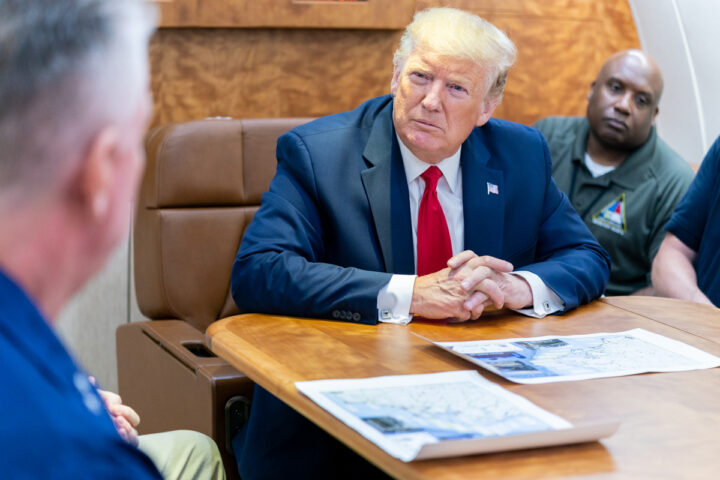
The case has drawn national scrutiny in part because of Kirk’s prominence as a conservative leader and co-founder of Turning Point USA. President Donald Trump, who described Kirk as a friend, has publicly called for the death penalty in the case and criticized those he says have minimized or politicized the killing.
Adding to the public attention, a Utah judge ruled last month that transcripts and audio recordings from a closed-door hearing in Robinson’s case must be released with limited redactions, increasing transparency around the proceedings.
As the legal battle unfolds, Robinson’s effort to disqualify the prosecution marks the latest development in a case that has already stirred intense emotions and debate. With no plea yet entered and key decisions still ahead, the court must now weigh whether the alleged conflict raised by the defense is sufficient to alter the course of the prosecution in one of Utah’s most closely watched criminal cases.