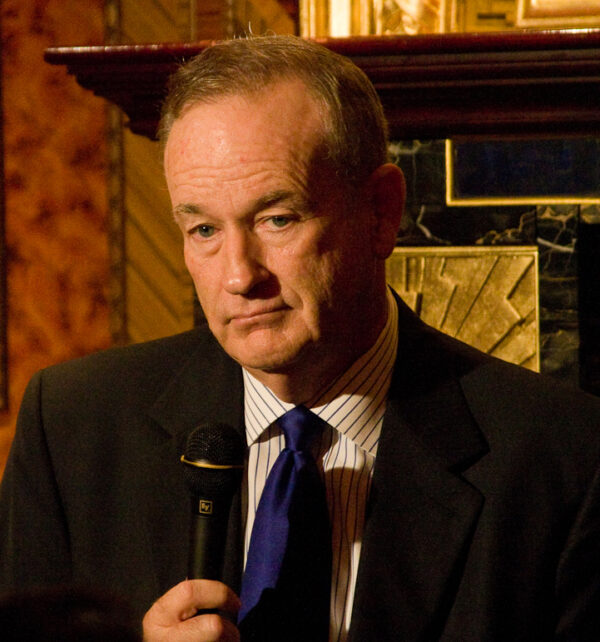
Veteran newsman Bill O’Reilly is taking aim at CNBC co-anchor Carl Quintanilla, blasting him for claiming President Donald Trump’s role in getting Jensen Huang reinstated as Nvidia’s CEO was something America has never seen.
The exchange began after CNBC’s Jim Cramer insisted Trump was the one who put Huang back in his job. Quintanilla pushed back on the idea that such an intervention was normal.
“If that happened, that is new in this country. That is a new thing for the government to overpower the board of private enterprise,” Quintanilla said.
O’Reilly wasn’t buying it.
“The sentence that ‘this has never happened before’ is so ridiculously dumb, I can’t even,” O’Reilly said.
History offers examples of presidents leaning hard on private companies. In 1952, President Harry Truman ordered the seizure of the nation’s steel mills during a labor dispute, a move the Supreme Court later struck down. In 1962, President John F. Kennedy publicly pressured U.S. Steel into rolling back a price increase. And in 2009, the Obama administration forced out General Motors CEO Rick Wagoner as a condition of the automaker’s federal bailout.
Huang resigned from Nvidia on Nov. 12 following revelations of extramarital affairs, including one with a woman alleged to have ties to Chinese intelligence. The woman was connected to Megaspeed, a Singapore-based company suspected of buying advanced Nvidia chips and diverting them to China in violation of U.S. export rules. China has denied the espionage allegations, which remain unproven.
Nvidia’s board initially signaled it would not bring Huang back. But on Nov. 23, the board voted unanimously to reinstate him as president, CEO and board member, saying it had “received input from senior levels of the United States government.”
Trump has openly taken credit. “I convinced them,” the president told CNBC on Monday, adding, “I spoke to them, let me put it that way.” He has called Huang a “national treasure.”
The reinstatement sent tech stocks surging, recovering much of the losses from the previous week’s selloff tied to Huang’s departure.
Notably, O’Reilly is no cheerleader for the president’s handling of the matter. Appearing earlier on NewsNation’s “On Balance,” he said he disagreed with Trump’s decision.
“I disagree with the president on the action. But I do believe in due process,” O’Reilly said, arguing that the better approach would have been to suspend Huang and investigate him.
Still, O’Reilly drew a hard line at what he saw as sloppy historical analysis from the business network, making the case that presidents getting involved in corporate affairs is far from new territory.
Critics of the administration, including some legal scholars, argue the Nvidia case is different because Trump intervened so publicly and personally on behalf of a single executive. Supporters counter that Nvidia is central to America’s lead in artificial intelligence and that the stakes for the economy justified the president’s involvement.
The debate is likely to continue as lawmakers in both parties press for answers about the scandal and Nvidia’s dealings with China.
[READ MORE: Trump Administration Prepares New Tariffs on China, European Union and 14 Other Economies]