The United States trade deficit climbed sharply to $88.6 billion in July, reaching its highest level in more than a year, according to new data released Thursday by the Commerce Department.
The gap increased by $17.4 billion from June, when the deficit stood at $71.2 billion. The July figure marked the largest U.S. trade deficit since March 2025, when the shortfall reached nearly $133 billion.
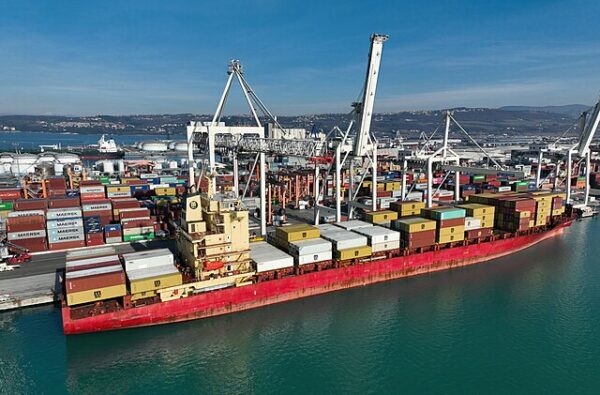
The latest increase appeared to be fueled largely by a surge in imports of computers, computer accessories and semiconductors. Overall imports rose by $10.8 billion during the month as those products continued flowing into the country.
At the same time, American exports declined by $6.6 billion. The United States shipped less crude oil and gold abroad in July, helping widen the difference between the value of goods and services entering the country and those being sent overseas.
The U.S. continued to run multibillion-dollar trade deficits with several major trading partners, including Mexico, Vietnam, Taiwan, China, South Korea and the European Union.
However, the trade deficit with Canada moved in the opposite direction. The shortfall with America’s northern neighbor declined to $3.2 billion as the two countries remain locked in an ongoing trade war.
President Donald Trump has repeatedly criticized the size of the nation’s trade deficit and has pointed to the measure as a major reason for his administration’s sweeping tariff policies.
Despite the significant monthly increase, the White House argued that the broader numbers show Trump’s trade agenda is producing results.
White House senior deputy press secretary Kush Desai responded to the Commerce Department report Thursday in a post on the social media platform X, calling the latest figures “more evidence that President Trump’s trade agenda is working.”
Desai focused on the year-to-date results rather than the month-to-month increase. The cumulative trade deficit was down $188.4 billion, or 29.6%, compared with the same period in 2025, according to the data he cited.
The White House official also cast the increase in computer and semiconductor imports as a positive development connected to efforts to rebuild American industry.
“Capital goods imports, the machinery and equipment we need to reindustrialize, were the highest share of goods imports on record,” Desai wrote.
His comments presented the influx of computers, chips and other equipment as an investment in the machinery needed for reindustrialization, even as those purchases helped push the monthly trade deficit to its highest point in more than a year.
The July report therefore offered two contrasting snapshots of U.S. trade. The monthly deficit increased by $17.4 billion as imports rose and exports fell, but the total deficit for the year remained substantially lower than during the corresponding period in 2025.
Trump has made reducing the trade imbalance a central justification for imposing tariffs, while the White House maintains that the administration’s broader trade strategy is already showing results.
[READ MORE: Feminist Icon Gloria Steinem Dead at 92 After Decades of Political Activism]