The Trump administration announced Monday that it will impose new tariffs on approximately $20 billion worth of Canadian imports, with the duties scheduled to take effect in 30 days.
The new tariffs target a broad range of Canadian goods entering the United States, marking the latest escalation in trade tensions between the two neighboring allies.
.@USTradeRep Ambassador Greer explains the tariffs on a set of Canadian imports: "They banned the sale of U.S. liquor and other booze on Canadian shelves. They capped and limited the amount of autos that could be shipped [from] the United States from companies who were reshoring… pic.twitter.com/cQrySGrv1L
— Rapid Response 47 (@RapidResponse47) July 21, 2026
Canadian Prime Minister Mark Carney criticized the decision while reaffirming Canada’s support for open markets.
“Canada believes in the benefits of free and fair trade,” Carney said in a statement Monday.
Carney said his government would continue to defend Canadian industries and workers.
“In all circumstances, Canada will work relentlessly and take any measures necessary to build our strength at home and to support Canadian workers, farmers, businesses, and families,” Carney said.
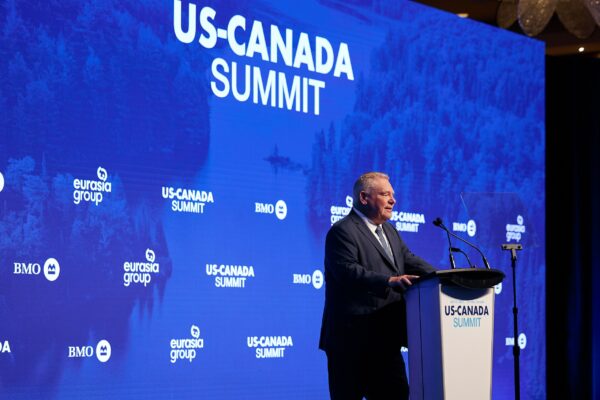
Ontario Premier Doug Ford urged Ottawa to respond with retaliatory measures if the tariffs move forward.
“If these tariffs proceed, Canada should respond tariff for tariff, dollar for dollar,” Ford said in a post on Twitter.
The White House invoked Section 338 of the Tariff Act of 1930, a provision that authorizes the president to impose duties of up to 50% on imports from countries determined to be discriminating against American products. According to reports, the administration’s action represents a rare—and potentially unprecedented—use of the statute.
Not all Canadian exports will be affected. Energy products, critical minerals, fish, and goods already subject to existing industry-specific tariffs, including automobiles and metals, are exempt from the new duties.
Unlike previous tariff actions involving Canada, the latest measures do not include exemptions for products covered under the United States-Mexico-Canada Agreement (USMCA), the North American trade pact that is currently being renegotiated.
The tariff announcement is expected to further strain U.S.-Canada trade relations and could have implications for manufacturers, supply chains, businesses, and consumers on both sides of the border.