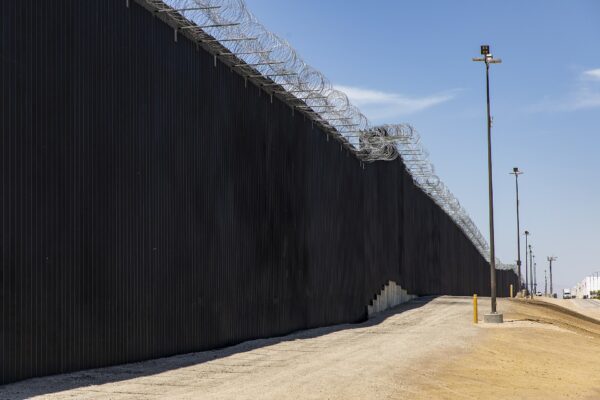
House Republicans moved one step closer Tuesday to approving a nearly $70 billion immigration enforcement package aimed at funding Immigration and Customs Enforcement (ICE) and Border Patrol, overcoming internal divisions that briefly threatened to derail the effort.
The House approved a procedural rule by a narrow 213-211 margin, clearing the way for debate and a final vote on the legislation. The package would provide funding for federal immigration enforcement operations and represents a major priority for Republican lawmakers seeking to strengthen border security after negotiations with Democrats failed to produce a broader agreement.
The vote appeared uncertain for much of the day as several conservative lawmakers withheld support. Among them were Rep. Chip Roy of Texas, the policy chairman of the House Freedom Caucus, and Rep. Tim Burchett of Tennessee, both of whom initially voted against the rule.
Their opposition raised concerns among Republican leaders because the GOP holds only a slim majority in the House, leaving little room for defections. Several other conservative members also delayed casting their votes while discussions continued behind closed doors.
Roy, Burchett, and other Freedom Caucus members met with Speaker Mike Johnson and House Majority Leader Steve Scalise as negotiations intensified. Roy appeared visibly frustrated during conversations with fellow conservatives as lawmakers worked through their concerns.
According to a source familiar with the discussions, several members were seeking commitments from House leadership regarding efforts to codify additional border policies championed by President Donald Trump. Those concerns centered on ensuring that more of the administration’s immigration agenda would eventually be enacted into law.
After the discussions concluded, both Roy and Burchett reversed their positions and voted in favor of the rule. Other conservative holdouts followed suit, allowing the measure to advance.
The legislation arrives after Republicans missed Trump’s self-imposed June 1 deadline for getting the bill to his desk. Delays stemmed largely from disagreements over a proposed “anti-weaponization” fund that would compensate individuals who believe they were unfairly targeted or prosecuted by the Biden-era Department of Justice.
Acting Attorney General Todd Blanche previously told lawmakers that the Justice Department was not moving forward with the fund. However, Trump later praised the concept, calling it “a beautiful thing,” creating additional debate among Republicans about whether Congress should explicitly prevent the administration from establishing it.
Some Senate Republicans pushed for language that would block creation of the fund, but the final version of the legislation did not include those provisions. The Senate ultimately passed the measure early Friday morning.
Johnson now faces another challenge as the bill heads toward final passage. Assuming full attendance and unified Democratic opposition, he can afford only two Republican defections.
One potential obstacle is Rep. Kevin Kiley of California, an independent who caucuses with Republicans. Kiley told reporters he is leaning against supporting the bill.
“I would need to see bipartisan reforms to interior immigration enforcement,” Kiley said, arguing such measures enjoy broad public support. He added that, absent significant changes, he would not consider voting for the legislation.
Democrats remain firmly opposed. House Minority Leader Hakeem Jeffries said Democrats would be a “hard no” on the package, arguing that taxpayer dollars should be directed toward affordability issues rather than expanding immigration enforcement operations.
The debate underscores the continuing divide in Washington over immigration policy, as lawmakers weigh competing priorities surrounding border security, enforcement authority, and the growing financial commitments associated with federal immigration programs.
[READ MORE: Former Platner Aide Issues Scathing Rebuke Ahead of Maine Democratic Primary]