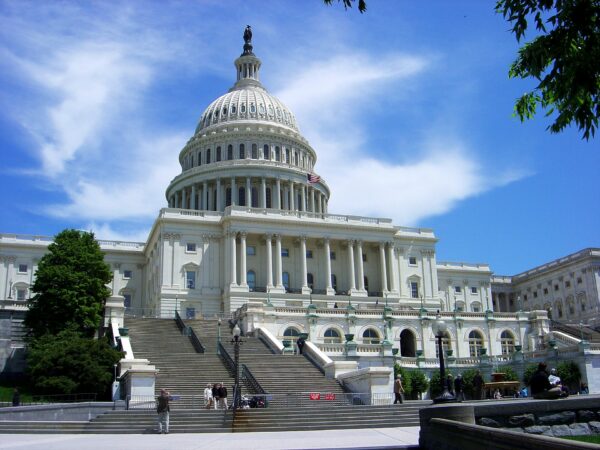
In a rare moment of agreement on Capitol Hill, the Senate on Thursday approved by unanimous consent a proposal aimed at eliminating special airport privileges long enjoyed by members of Congress—forcing lawmakers to face the same security lines as everyday Americans during a prolonged Department of Homeland Security shutdown.
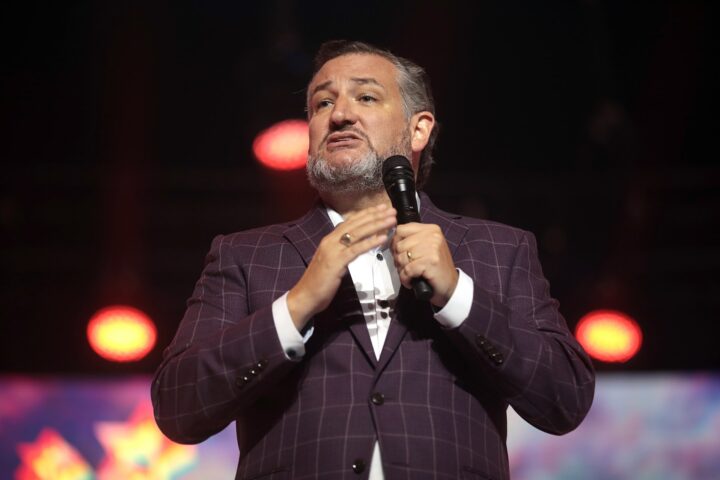
The measure, introduced by Sen. John Cornyn of Texas, comes as the shutdown enters its 35th day, straining airport operations across the country and leaving travelers stuck in increasingly long lines. At Houston’s Hobby Airport, wait times have reportedly stretched to three or even four hours, highlighting the mounting frustration felt by the flying public.
Cornyn framed the proposal as a matter of fairness, arguing that lawmakers should not be shielded from the consequences of policies they help shape. Speaking on the Senate floor, he pointed to the growing disruptions caused by staffing shortages at the Transportation Security Administration, where many agents have missed work because they are not being paid during the shutdown.
“Staffing constraints have not only led to longer wait times around the country but also significant delays, disruptions and missed flights,” Cornyn said, placing responsibility for the impasse on Democrats.
He went further, suggesting that the continued shutdown reflects a disconnect between lawmakers and the public they serve. “The only reason I can fathom, other than being completely out of touch, that our Democrat colleagues would do this is not all members of Congress are being forced to experience the same mess of their own making,” Cornyn said.
At the center of the proposal is a little-known perk: members of Congress are often allowed to bypass or expedite Transportation Security Administration screening at airports nationwide. Cornyn argued that such privileges are inappropriate, particularly at a time when ordinary Americans are dealing with extended delays and uncertainty.
“As many Americans probably don’t know but most of us in Washington do know, airports around the country allow members of Congress to bypass the usual TSA screening process,” he said. “In other words, they get to skip the line. This should end today.”
Under the proposal, the TSA would be prohibited from using any funds to provide or facilitate expedited screening for lawmakers, effectively putting members of Congress on equal footing with the general public. Notably, no senator objected when Cornyn requested unanimous consent, signaling broad, if perhaps temporary, agreement on the issue.
If ultimately enacted into law, the change would remain in effect even after the Department of Homeland Security reopens. The measure must still pass the House and be signed by President Donald Trump before it can take effect.
The broader context of the proposal underscores the ongoing political standoff that has led to the shutdown in the first place. Democrats have blocked legislation to fully fund the Department of Homeland Security, seeking reforms to Immigration and Customs Enforcement and Customs and Border Protection. In response, they have proposed partial funding measures to support agencies like the TSA, Coast Guard, and Federal Emergency Management Agency, while excluding immigration enforcement components.
Republicans have rejected those efforts, insisting that funding for immigration enforcement agencies cannot be separated from the rest of the department.
As the shutdown drags on, the debate has moved beyond policy disagreements and into the everyday lives of Americans navigating crowded terminals and delayed flights. The Senate’s move to strip away congressional travel perks may not resolve the underlying dispute, but it sends a message—at least for now—that those making decisions in Washington should not be entirely insulated from their consequences.