President Donald Trump’s remarks this week about discussing potential U.S. arms sales to Taiwan with Chinese President Xi Jinping have ignited fresh concern in Taipei and among foreign policy analysts, who warn that such consultations could unsettle decades of carefully calibrated American policy toward the self-governing island.
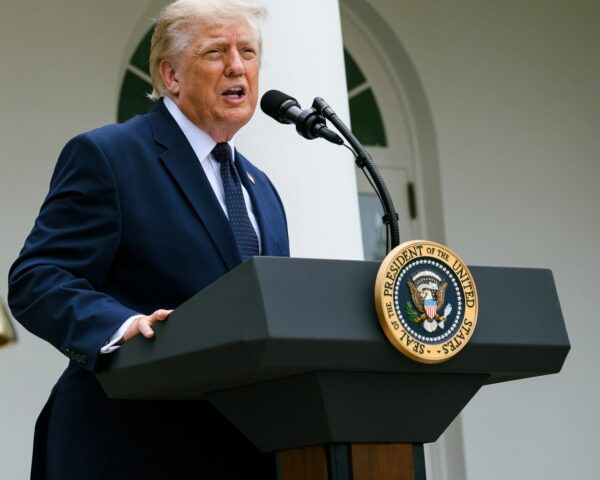
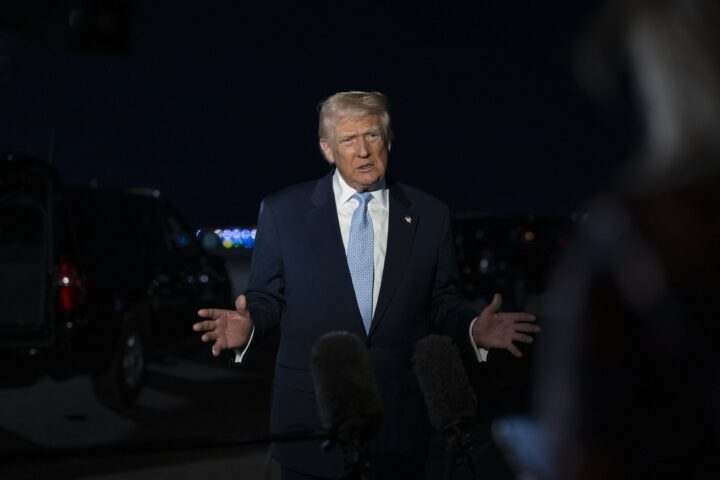
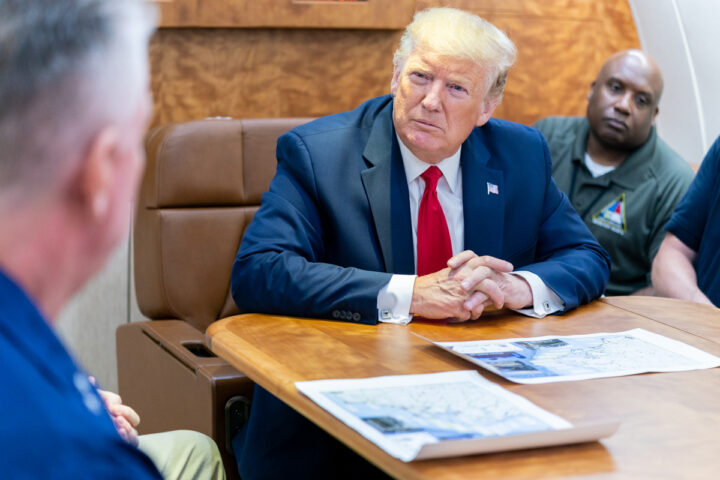
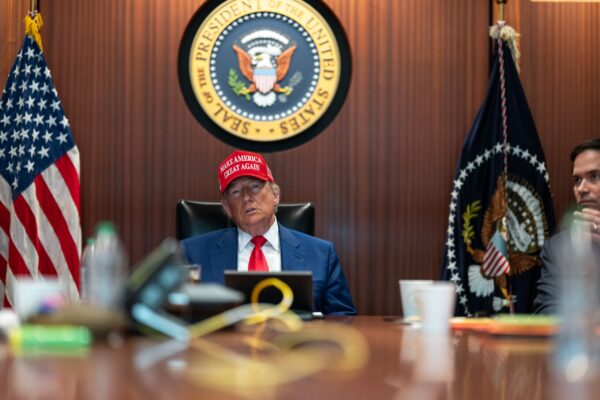
Speaking to reporters aboard Air Force One on Monday, Trump addressed Beijing’s longstanding objections to U.S. weapons transfers to Taiwan. “I’ve talked to him about it, made a good conversation, and we’ll make a determination pretty soon,” Trump said.
He also described his rapport with Xi as very positive.
Previous administrations, experts note, have largely adhered to that principle, avoiding direct negotiations with Beijing over specific weapons packages in order to preserve U.S. discretion and sustain Taiwan’s defensive capacity, writes The Associated Press.
Critics argue that even signaling consultation risks setting a precedent that could invite Chinese leverage over future U.S. decisions. Beijing considers Taiwan a breakaway province to be reunified, if necessary by force, and regularly conducts military operations near the island to reinforce its claims. Any perception that Washington might condition arms transfers on Beijing’s views, analysts say, could erode confidence in American reliability at a moment of heightened cross-strait tensions.
The United States maintains no formal diplomatic relations with Taiwan but remains its principal supplier of military equipment under the Taiwan Relations Act of 1979. The law requires that the U.S. provide Taiwan with defensive arms and states that threats to the island are matters of grave concern to American security interests. U.S. policy is also shaped by the Three Communiques with China, which acknowledge a one-China framework without endorsing Beijing’s sovereignty over Taiwan, preserving a measure of strategic ambiguity regarding potential U.S. intervention.
In December, the Trump administration approved an arms package to Taiwan exceeding $11 billion, drawing swift condemnation from Beijing. During an early February phone call with Trump, Xi reportedly underscored Taiwan as the most sensitive issue in U.S.-China relations and urged caution.
Trump is scheduled to visit China in April, where Taiwan is expected to feature prominently alongside trade and technology disputes. The timing has intensified scrutiny in Taipei over how firmly Washington intends to stand behind its commitments.
Taiwan’s government, currently observing the Lunar New Year holiday, has not formally responded to the president’s latest comments. President Lai Ching-te has previously characterized U.S.-Taiwan ties as steady and resilient amid ongoing cooperation.