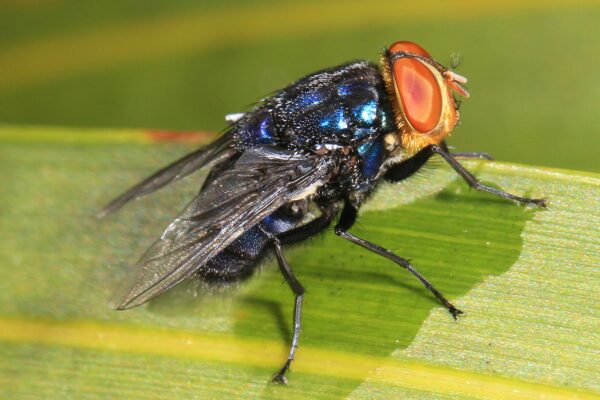
A dangerous parasitic insect known as the New World screwworm is now inching closer to the United States, prompting federal health officials to warn that the threat could soon cross the border and put Americans and their animals at risk.
The parasitic fly has been confirmed in the Mexican state of Tamaulipas, just south of Texas, raising alarms among U.S. health authorities. The Centers for Disease Control and Prevention issued a health alert Tuesday urging state and local health departments to remain vigilant, quickly identify potential cases, and be prepared to treat infections if they emerge.
The New World screwworm is not a typical pest. Female flies lay their eggs in open wounds or in sensitive areas such as the nose, ears, eyes, or mouth of an animal or person. Once the eggs hatch, the larvae, commonly known as maggots, begin feeding on the surrounding flesh. As they burrow deeper into tissue, the damage becomes progressively more severe.
According to the CDC, the parasite most commonly affects livestock, posing a serious threat to agriculture. However, the flies are not limited to animals. They can lay eggs on any warm-blooded host, including humans and household pets, making the approaching outbreak a broad public health concern.
People face the highest risk of exposure when spending time in regions where the flies are present, particularly in parts of Central America and Mexico. The risk increases significantly for individuals with open wounds, including minor cuts or scratches. Those who spend extended time outdoors or work closely with animals are considered especially vulnerable.
Treating a screwworm infestation is urgent and often invasive. The CDC advises clinicians that all larvae and eggs must be completely removed from the affected area. In cases where the maggots have burrowed deeply into tissue, surgical intervention may be required. Without prompt and thorough treatment, infections can worsen rapidly.
If left untreated, screwworm infestations can be fatal. The larvae’s feeding causes extensive tissue destruction, which can lead to severe infections and life-threatening complications.
The United States has spent decades working to keep the New World screwworm out of the country. One of the primary prevention strategies has involved releasing sterile male flies into the wild. Because female screwworm flies mate only once during their short lifespan, mating with a sterile male results in unfertilized eggs that never hatch. This approach proved effective in the past and helped eradicate the parasite from the Florida Keys in 2017.
Despite those efforts, the current outbreak in Central America and Mexico has grown rapidly. Officials report 1,190 confirmed human cases and seven deaths tied to the parasite. The impact on animals has been even more staggering, with more than 148,000 reported cases.
As the screwworm advances closer to the U.S. border, public health experts fear it may only be a matter of time before the parasite begins laying eggs on Americans and their livestock. Health officials are stressing early detection and preparedness as the best defense against what they describe as a devastating and aggressive pest.
The situation underscores ongoing concerns about cross-border health threats and the need for rapid response as dangerous parasites move closer to American communities.