Ghislaine Maxwell — the convicted accomplice of Jeffrey Epstein — is reportedly preparing a new legal challenge to her imprisonment, a move that could disrupt the Justice Department’s push to release long-sealed Epstein case records under the newly enacted Epstein Files Transparency Act, signed by President Donald Trump last month.
In a letter filed Wednesday in federal court, Maxwell’s attorneys revealed she intends to submit a habeas petition seeking to overturn her conviction or secure a new trial. The filing warns that publicizing grand jury materials — as mandated by the new transparency law — could jeopardize her right to a fair retrial if her petition succeeds.
“Releasing the grand jury materials from her case, which contain untested and unproven allegations, would create undue prejudice so severe that it would foreclose the possibility of a fair retrial,” Maxwell’s attorney David Oscar Markus wrote. He added that Maxwell plans to file her petition pro se, meaning without a lawyer.
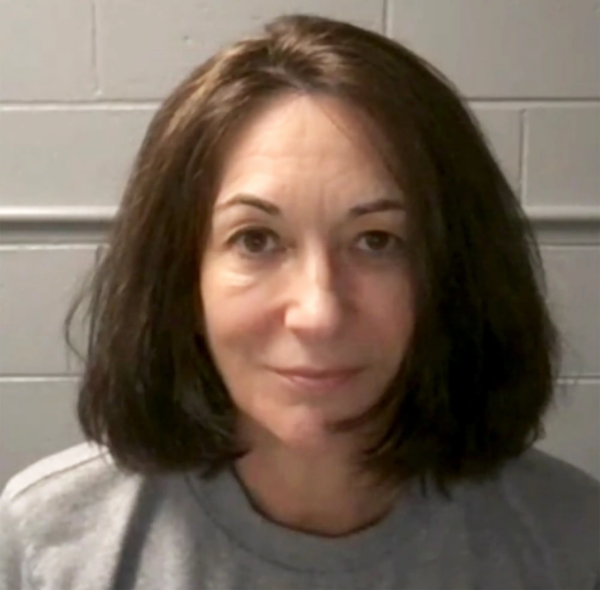
Maxwell is currently serving a 20-year sentence after being convicted in 2021 for assisting Epstein in the sexual exploitation of minors. She is incarcerated at a minimum-security women’s facility in Bryan, Texas, where she was transferred shortly after Deputy Attorney General Todd Blanche — formerly one of Trump’s defense lawyers — interviewed her about Epstein. The unusual interview followed intense pressure from Trump’s political base, especially after DOJ and FBI officials issued a July memo declaring that Epstein died by suicide and insisting there was “no client list,” answers that only fueled further skepticism.
The Epstein Files Transparency Act triggered a 30-day deadline for DOJ to begin releasing all Epstein-related materials in its possession. Prosecutors are now asking judges overseeing both Epstein’s and Maxwell’s cases to authorize public release of documents previously blocked. U.S. District Judge Paul Engelmayer earlier denied a DOJ request to publish many of these records, but the new law changes the legal landscape, forcing the courts to revisit the issue.
DOJ’s filings acknowledge that Maxwell’s decision to pursue post-conviction relief complicates the timing. Releasing grand jury transcripts now could give Maxwell grounds to argue prejudice — a point her lawyers are already signaling they will exploit.
The Trump administration is simultaneously conducting a separate review of Epstein’s ties to powerful political figures and institutions, after previously stating that a “systematic review” had not uncovered chargeable evidence against unindicted individuals. Trump is among the names appearing in Epstein’s social circle, though he severed ties with the financier decades ago and has demanded full disclosure of all associated records.
Maxwell has repeatedly appealed to both the Supreme Court and the Trump administration to intervene in her case. In October, the Supreme Court rejected her request to overturn her conviction. Trump has said he would “look into” concerns about her prosecution, though many advisers reportedly oppose the idea of any pardon.
With Maxwell now preparing to mount a new legal challenge — as the DOJ moves to unseal some of the most sought-after files in modern American history — the next few weeks could determine how much of the Epstein network finally becomes public and whether Maxwell can stall or complicate the release of information long shielded from the American people.